
What Are Backlinks? A Clear Definition
Backlinks are simply hyperlinks that connect one website to another. Think of them as digital pathways that allow users to navigate between different web pages across the internet. When Website A includes a link pointing to Website B, that creates a backlink for Website B.
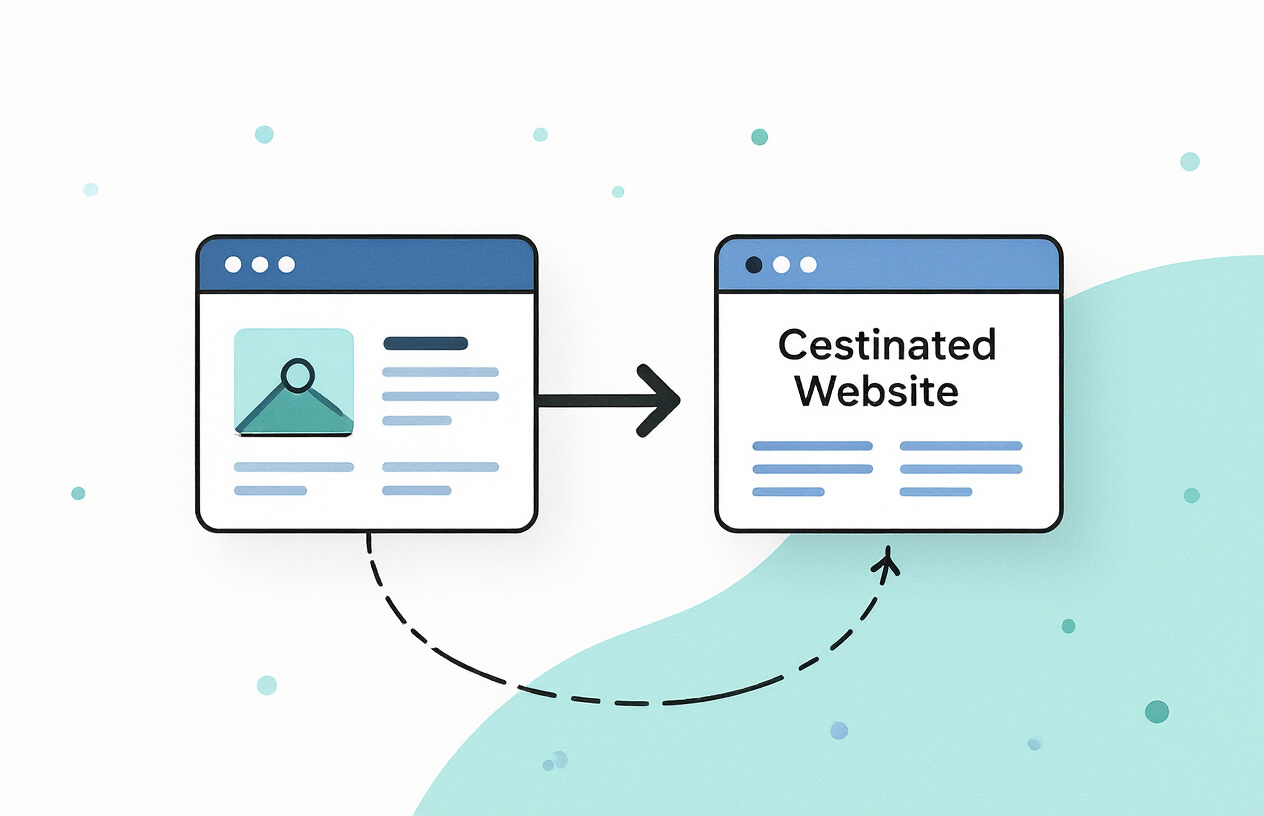
In the world of SEO professionals, you’ll often hear backlinks referred to as “inbound links” or “incoming links.” These terms all describe the same concept – links coming into your site from external sources.
What makes backlinks so valuable is what they represent. Each backlink essentially serves as a vote of confidence or endorsement from one site to another. When a website links to yours, they’re signaling to both users and search engines that your content is trustworthy, valuable, or worth referencing. As Moz’s comprehensive backlink guide explains, these digital endorsements form the backbone of how search engines evaluate site credibility.
The Evolution of Backlinks in Search Algorithms
The importance of backlinks in search engine rankings has a rich history. Google’s revolutionary PageRank algorithm, developed by Larry Page and Sergey Brin, originally used backlinks as its primary ranking signal. This approach fundamentally changed how search engines worked by measuring a website’s importance based on how many other sites linked to it.
Fast forward to today, and search algorithms have grown dramatically more sophisticated. Modern systems like Google’s E-A-T (Expertise, Authoritativeness, Trustworthiness) framework now evaluate backlinks based on quality, relevance, and the authority of the linking source – not just quantity.
This shift represents a fundamental change in SEO strategy. Search Engine Land’s SEO guide traces how over the past decade, search engines have moved decisively away from raw link counting toward nuanced evaluation of link quality. A single backlink from a highly respected industry website now carries far more weight than dozens of links from irrelevant or low-quality sources.
Types of Backlinks and Their Relative Value
Not all backlinks are created equal. The SEO value of a link depends significantly on its attributes and context:
Do-follow vs. No-follow backlinks: By default, links are “do-follow,” meaning they pass SEO value (sometimes called “link juice”) to the destination site. No-follow links include special HTML attributes that tell search engines not to transfer authority through that link. While do-follow links directly boost your SEO, no-follow links from high-traffic sites can still drive valuable visitors. Ahrefs’ detailed comparison shows that a balanced profile of both types looks most natural to search engines.
Natural vs. Artificial backlinks: Search engines have become exceptionally good at distinguishing organically earned links from those artificially created through manipulative tactics. Natural links come from websites that genuinely want to reference your content, while artificial links are typically generated through schemes designed to game the system.
Contextual, Editorial and Resource backlinks: Links embedded within relevant content (contextual), links given by editors or journalists (editorial), and links from resource pages all send different signals to search engines about your site’s value and relevance.
How Search Engines Interpret Backlinks
Search engine crawlers use backlinks as pathways to discover new content across the web. When Google’s bots find a link to an unknown page, they follow that link to crawl and index the new content.
Beyond discovery, backlinks help search engines map relationships between websites. This web of connections forms what amounts to a massive recommendation network, helping algorithms understand which sites are authorities in specific subject areas.
Modern search algorithms analyze multiple factors when evaluating backlinks, including:

– The anchor text (the clickable words in the link) – The content surrounding the link – The topical relevance between linking and linked sites – The pattern of links across the entire web
According to Google’s own documentation, these sophisticated evaluation methods help determine which pages deserve to rank for specific queries by identifying truly authoritative and relevant sources.